Frequently Asked Questions
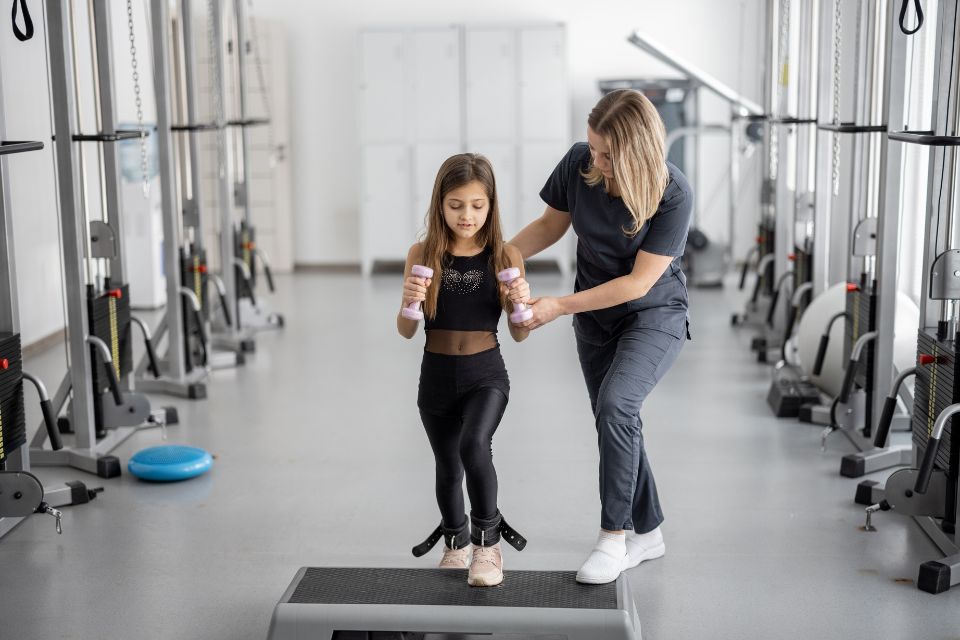
Specific physical therapy exercises that are effective for improving balance in concussion patients include vestibular rehabilitation techniques, such as gaze stabilization exercises and dynamic visual acuity drills. Incorporating proprioceptive training through single-leg stands on unstable surfaces, like balance pads or foam cushions, enhances neuromuscular control. Furthermore, the use of tandem walking activities—where patients walk heel-to-toe along a straight line—promotes postural stability and coordination. Strengthening routines focusing on core musculature also play a crucial role in maintaining equilibrium by enhancing body awareness and reducing fall risk. Additionally, incorporating dual-task scenarios where individuals perform cognitive tasks while balancing can further challenge their functional stability and improve overall motor performance following concussive injuries.
The timing of initiating physical therapy is crucial in influencing recovery outcomes after a concussion, as early intervention can significantly enhance the rehabilitation process. Research indicates that commencing vestibular and oculomotor rehabilitation soon after the injury may facilitate better symptom management and reduce prolonged post-concussion syndrome. Engaging in targeted therapeutic exercises aimed at improving balance, coordination, and cognitive function can promote neuroplasticity while decreasing the risk of secondary complications such as chronic headaches or dizziness. Additionally, timely access to specialized care ensures that individuals receive personalized treatment plans tailored to their unique symptoms, ultimately leading to expedited return-to-play protocols for athletes and improved overall quality of life for patients navigating daily activities post-injury. Hence, prompt referral to physical therapy not only aids in alleviating acute symptoms but also plays an integral role in fostering long-term recovery trajectories following concussive events.
Physical therapists utilize a variety of specialized assessment tools to evaluate post-concussion symptoms, focusing on cognitive, vestibular, and physical domains. Commonly employed instruments include the ImPACT (Immediate Post-Concussion Assessment and Cognitive Testing) for cognitive function evaluation, alongside the SCAT5 (Sport Concussion Assessment Tool 5th Edition), which assesses symptom severity through standardized checklists. Balance assessments like the BESS (Balance Error Scoring System) help determine equilibrium deficits that may arise following a concussion. Additionally, visual-vestibular examinations are conducted using dynamic visual acuity tests to measure ocular-motor function disturbances often linked with concussive injuries. The use of subjective symptom rating scales such as the Rivermead Post-Concussion Symptoms Questionnaire also aids clinicians in quantifying patient-reported outcomes related to headache intensity and other prevalent sequelae associated with traumatic brain injury recovery processes. These comprehensive evaluations enable targeted rehabilitation interventions tailored to individual needs during post-injury recovery trajectories.
Vestibular rehabilitation techniques are integral to the management of concussions within physical therapy, focusing on the restoration of balance and reduction of dizziness often associated with vestibular dysfunction following a head injury. These specialized interventions utilize exercises that promote gaze stabilization, postural control, and habituation to movements that may provoke symptoms such as vertigo or imbalance. By employing tailored protocols including canalith repositioning maneuvers for benign paroxysmal positional vertigo (BPPV) alongside proprioceptive training and coordination drills, therapists aim to enhance neuroplasticity and facilitate recovery. Furthermore, these techniques address visual-vestibular interactions critical for performing daily activities safely while minimizing cognitive overload associated with concussion symptoms like headaches or concentration difficulties. Overall, vestibular rehabilitation not only aids in symptom alleviation but also supports patients’ return-to-play strategies through comprehensive assessments that monitor functional thresholds essential for athletic performance post-injury.
Individualized treatment plans that incorporate cognitive assessments can significantly enhance the effectiveness of physical therapy for concussed athletes by addressing both neurocognitive and physical rehabilitation needs. Tailoring interventions based on detailed evaluations of cognitive function—such as attention, memory, processing speed, and executive functioning—allows therapists to create targeted approaches that accommodate an athlete's specific deficits and recovery trajectory. This multifaceted strategy not only facilitates symptom management through carefully designed vestibular exercises and balance training but also integrates cognitive-behavioral techniques to optimize mental resilience during post-concussion syndrome. By aligning therapeutic goals with objective data derived from standardized neuropsychological tests, clinicians can improve overall outcomes by promoting a more holistic approach to recovery that simultaneously mitigates risks associated with premature return-to-play decisions while enhancing athletic performance in subsequent phases of rehabilitation.